The Detection Method Of Dynamic Four-wheel Alignment Instrument
Jan 04, 2024
1. Static testing method
The static analysis data and professional measurement method of the dynamic four-wheel alignment instrument requires a dedicated testing equipment to discuss the precise development of the tire positioning system and discuss the precise construction measurement of geometric shape learning and design angles based on the direct or intermittent relationship between the tire rotation plan and the precise marketing channel positioning of each tire, while the vehicle is standing still. The important detection instruments used by companies generally include bubble translation type, electronic devices based on electronic optics, laser generator type, electronic and microcomputer type front tire detectors or four-wheel aligners. The front tire detector and four-wheel alignment device can be referred to as tire detectors.
2. Dynamic testing method
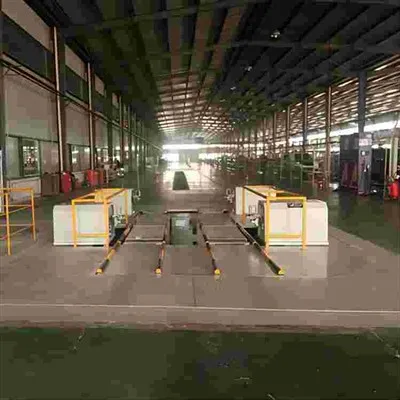
The dynamic detection method of the dynamic four-wheel alignment instrument is to detect the lateral force caused by the vehicle positioning at the corresponding speed, or the lateral slip caused by the vehicle positioning. In order to better determine whether the front wheel toe in and front wheel camber angle are suitable, a dynamic detection method can be used to detect the front wheel slip. There are two types of detection instruments used: a skid plate test bench and a manual vehicle precision market positioning test bench.
At present, in China, all double slide experimental platforms are usually used for dynamic experiments. The dynamic four-wheel alignment instrument is an experimental instrument that uses the double seesaw to accurately measure the movement of both sides to verify the front tire slip and identify whether the conditions are met. If the rear tire includes both the camber angle and the front tire, we can also determine whether the camber angle of the rear tire matches the camber angle of the rear tire based on the sideslip test bench.