

Shandong Zhengneng Auto Test Equipment : Your Professional Dynamic Wheel Alignment Manufacturer !
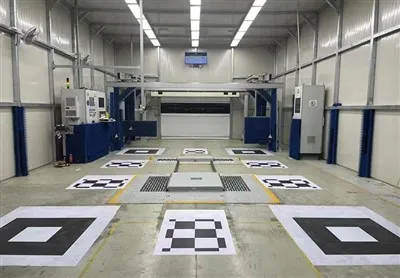
Our company has focused on automobile inspection technology research for more than 30 years. Our main products are new car high-end inspection lines (including non-contact dynamic four-wheel alignment, integrated drum platform, gantry headlight instrument, ADAS calibration, rain room drying room, safety Innovative products such as electrical testing and automotive R&D chassis dynamometers) driverless intelligent chassis performance testing system and vehicle external perception and automatic safety function effectiveness testing system, which can replace imported equipment.
Rich Product Range
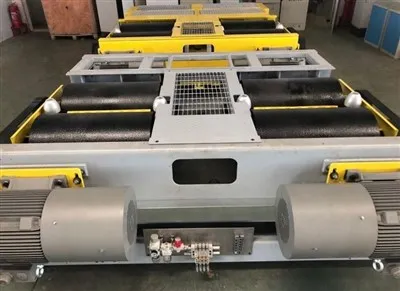
The company's main products include high-end testing lines (including non-contact four-wheel alignment, comprehensive roller test bench, dual-axis ABS brake tester, gantry headlight tester, etc.), driverless testing lines, offline testing equipment automobile factory ( Four-wheel alignment, brake tester, speed tester, sideslip tester, axle load tester, etc.
Advanced Production Equipment
In order to ensure production, we have different processing equipment, such as lathes, drilling, milling and boring grinders, milling and drilling machines, balancing machines, metal band saws, air compressors, flame cutting machines, metal band saws, plasma cutting machines, radial drills, etc.
Widely Sold
Our equipment is exported to overseas automobile manufacturers such as Russia, Iran, Nigeria, Thailand, Uganda, South Korea, and Myanmar. And our cooperative customers include well-known domestic automobile manufacturers such as Geely, Changan, and GAC.
Quality Guaranteed
The products produced by our company have passed quality inspection, and our team has 3 authorized invention patents, 38 utility model patents, and 22 soft patents.
-

This comprehensive roller test bench adopts advanced four-quadrant servo drive and flywheel-free electric inertia simulation technology, integrating power output testing, dynamic brake inspection,
Add to Inquiry -
This ADAS Calibration and Positioning System is a high-end precision alignment platform designed for modern intelligent vehicles. It integrates 3D optical positioning, laser ranging, and image
Add to Inquiry -
Advanced 3D Imaging Non-Contact Four-Wheel Alignment Machine With Laser Technology
This non-contact laser four-wheel aligner adopts advanced structured laser projection and high-precision industrial binocular imaging technology, totally cancels traditional wheel clamps, target
Add to Inquiry -
Ultra High Definition 3D Laser Non-Contact Wheel Alignment System For Four-Wheel Vehicles
This non-contact laser four-wheel aligner adopts advanced structured laser projection and high-precision industrial binocular imaging technology, totally cancels traditional wheel clamps, target
Add to Inquiry -
This Gantry-Type Headlight Tester is a high-efficiency, high-precision optical inspection equipment designed for modern vehicle headlamp performance testing. It integrates gantry mechanical
Add to Inquiry -
This ADAS Calibration and Positioning System is a high-end precision alignment platform designed for modern intelligent vehicles. It integrates 3D optical positioning, laser ranging, and image
Add to Inquiry -
This dual-axis brake test bench integrates roller reaction force testing, built-in axle load weighing and hydraulic dynamic load simulation technologies. It supports simultaneous four-wheel braking
Add to Inquiry -
This comprehensive roller test bench adopts advanced four-quadrant servo drive and flywheel-free electric inertia simulation technology, integrating power output testing, dynamic brake inspection,
Add to Inquiry -
This non-contact laser four-wheel aligner adopts advanced structured laser projection and high-precision industrial binocular imaging technology, totally cancels traditional wheel clamps, target
Add to Inquiry -
This full-range heavy-duty intelligent dual-axis brake test bench is a new-generation professional testing equipment for automotive brake performance, integrating five core technologies: roller
Add to Inquiry -
This full-range intelligent gantry headlight tester is a new-generation professional inspection and calibration equipment for automotive headlamps, integrating five core technologies: machine vision
Add to Inquiry -
This full-range compatible intelligent comprehensive roller test bench is a new-generation vehicle performance testing equipment integrating five core technologies: electric inertia simulation,
Add to Inquiry




What is Dynamic Wheel Alignment
Dynamic wheel alignment, also known as four-wheel alignment, is a process that adjusts the angles of all four wheels on a vehicle to optimize their position relative to each other and to the road surface. Unlike static wheel alignment, which only measures and adjusts the front wheels, dynamic wheel alignment takes into account the entire suspension system and the dynamic interaction between the tires and the road while the vehicle is in motion.
Features of Dynamic Wheel Alignment
Improved Fuel Efficiency
There are so many benefits of wheel alignment but its plays a vital role in fuel efficiency. Properly aligned wheels can help your vehicle to roll more smoothly, which can help to reduce fuel consumption.Proper wheel alignment can help to improve fuel efficiency. When your wheels are properly aligned, your vehicle can roll more smoothly, which can help to reduce the amount of fuel it consumes.
Increase Tire Life
Proper wheel alignment can help to extend the life of your tires. When your wheels are properly aligned, your tires will wear evenly, which can help to extend their lifespan. On the other hand, misaligned wheels can cause uneven wear on your tires, which can reduce their lifespan.
Increased Safety
By identifying and repairing brake problems before they cause an accident, a garage can reduce its liability risk.
Smoother Ride
Proper wheel alignment can help to improve the ride quality of your vehicle. When your wheels are properly aligned, your vehicle can roll more smoothly, which can make for a more comfortable ride. Misaligned wheels, on the other hand, can cause your vehicle to vibrate or “shimmy,” which can be uncomfortable and jarring for the driver and passengers.
Parts of Dynamic Wheel Alignment
Camber is the angle of the wheel, measured in degrees, when viewed from the front of the vehicle. If the top of the wheel is leaning out from the center of the car, then the camber is positive ,if it's leaning in, then the camber is negative. If the camber is out of the proper range, it will cause tire wear on one side of the tire's tread. If the camber is too far negative, for instance, then the tire will wear on the inside of the tread. Correct Camber can equalize the loads applied on each part of the axle so that the life of the parts can be prolonged and reduce the tyre wear.
When you turn the steering wheel, the front wheels respond by turning on a pivot attached to the suspension system. Caster is the angle of this steering pivot, measured in degrees, when viewed from the side of the vehicle. If the top of the pivot is leaning toward the rear of the car, then the caster is positive, if it is leaning toward the front, it is negative. If the caster is out of adjustment, it can cause problems in straight line tracking. If the caster is different from side to side, the vehicle will pull to the side with the less positive caster. If the caster is equal but too negative, the steering will be light and the vehicle will wander and be difficult to keep in a straight line. If the caster is equal but too positive, the steering will be heavy and the steering wheel may kick when you hit a bump.
The toe measurement is the difference in the distance between the front of the tires and the back of the tires. It is measured in fractions of an inch in the US and is usually set close to zero which means that the wheels are parallel with each other. Toe-in means that the fronts of the tires are closer to each other than the rears. Toe-out is just the opposite. An incorrect toe-in will cause rapid tire wear to both tires equally.

Uneven Or Rapid Tire Wear
It is possible for your tires to wear down in different places if your wheels are not properly aligned. This can show up as excessively rapid wear, as well as uneven wear patterns (like feathering or cupping), depending on how it plays out.
Vehicle Pulling To One Side
Your car may veer to one side or the other if the wheels on it are not properly aligned, which can cause steering issues. This may become particularly obvious when one is travelling in a straight line or when one is applying the brakes.
Steering Wheel Off-Centre
When you are traveling in a straight line, you may notice that your steering wheel is not centered because the wheels on your vehicle are not properly aligned.
Difficulty Steering
Wheels that are not properly aligned can make it more difficult to control your car, which is especially problematic while travelling at high speeds.
Working Principle of Dynamic Wheel Alignment
Sensor Data Collection
The system utilizes sensors placed at strategic points on the vehicle to gather data related to its dynamic behavior. These sensors can include accelerometers, gyroscopes, wheel speed sensors, steering angle sensors, suspension position sensors, and cameras.
Data Processing and Analysis
The collected sensor data is processed and analyzed in real-time by an onboard electronic control unit (ECU) or computer system. Advanced algorithms are employed to interpret the data and determine the current alignment status of the wheels.
Alignment Adjustment Calculations
Based on the analyzed data and predefined parameters, the system calculates the necessary adjustments required to optimize the alignment settings of the wheels. These adjustments may involve changes to parameters such as toe, camber, and caster angles.
Actuator Control
Once the alignment adjustments are calculated, the system controls actuators located within the vehicle's suspension system. These actuators can include electronically controlled hydraulic or pneumatic systems, electromechanical actuators, or adaptive suspension components.
Dynamic Alignment Correction
The actuators adjust the alignment settings of the wheels in real-time while the vehicle is in motion. This dynamic correction ensures that the wheels maintain optimal alignment even as driving conditions change, such as during cornering, acceleration, braking, or encountering uneven road surfaces.
Feedback and Calibration
The system continuously monitors the vehicle's dynamic behavior and alignment status, providing feedback to the control unit. Periodic calibration and adjustment may be necessary to ensure accurate alignment correction over time.
Accuracy and Precision
Look for a dynamic wheel alignment system that offers high accuracy and precision in measuring alignment angles such as toe, camber, and caster. Accurate measurements are crucial for identifying and correcting alignment issues effectively.
Real-Time Measurement
Choose a system that provides real-time measurement of wheel alignment angles while the vehicle is in motion. Real-time data allows for immediate adjustments and ensures that alignment issues are detected and addressed promptly.
Compatibility With Vehicle Types
Ensure that the dynamic wheel alignment system is compatible with the types of vehicles you intend to service, including cars, trucks, SUVs, and commercial vehicles. Different vehicles may have varying alignment requirements, so choose a system that can accommodate a wide range of vehicle types.
Ease of Use
Select a dynamic wheel alignment system that is user-friendly and intuitive to operate. The system should have a user-friendly interface and clear instructions for performing alignment procedures, making it easy for technicians to use effectively.

Why is Dynamic Wheel Alignment Important?
Extended Tire Life
One of the primary reasons wheel alignments is essential is its direct influence on tire lifespan. Misaligned wheels can cause uneven and rapid tire wear. Properly aligned wheels ensure uniform tire wear, allowing your tires to last longer and perform consistently.
01
Improved Fuel Efficiency
Misaligned wheels can create uneven drag or rolling resistance. This means that your engine must work harder, resulting in increased fuel consumption. When wheels are aligned correctly, the car rolls more efficiently, which can improve fuel economy.
02
Safer Driving
A misaligned car can pull to one side or lead to a steering wheel that’s off- center. This not only feels odd to a driver but can also compromise the vehicle’s ability to steer straight, especially in emergencies. Proper alignment aids in better handling and ensures the car drives straight.
03
Minimized Wear and Tear
Beyond the tires, poor alignment can strain parts of your car’s suspension system and other components. By ensuring the vehicle is aligned, you reduce the wear and tear on these parts, potentially saving you from costly repairs down the line.
04
Enhanced Driving Comfort
A misaligned car can result in vibrations in the steering wheel or seats. By aligning the wheels, these annoying vibrations can be reduced, providing a smoother and more comfortable ride.
05
Applications of Dynamic Wheel Alignment
Automotive Industry
Dynamic wheel alignment systems are widely used in the automotive industry for vehicle testing, research, and development purposes. Manufacturers utilize these systems to evaluate vehicle dynamics, suspension performance, and tire behavior under real-world driving conditions. This helps optimize vehicle design, improve handling characteristics, and enhance overall safety and performance
Racing and Motorsports
Dynamic wheel alignment is crucial in racing and motorsports for maximizing vehicle performance and handling. Racing teams use advanced alignment systems to fine-tune suspension settings, optimize tire contact patches, and achieve optimal cornering, braking, and acceleration capabilities. Dynamic alignment adjustments during races help drivers maintain control and responsiveness on the track, leading to improved lap times and competitive advantage.
Fleet Management
Fleet operators and commercial vehicle owners utilize dynamic wheel alignment systems to maintain optimal vehicle performance and reduce operating costs. By continuously monitoring and adjusting wheel alignment settings, fleet managers can extend tire life, improve fuel efficiency, and minimize vehicle downtime. This is particularly important for industries such as transportation, logistics, and delivery services, where fleet efficiency directly impacts profitability.
Autonomous Vehicles
As autonomous vehicle technology continues to advance, dynamic wheel alignment will play a crucial role in optimizing vehicle control and safety. Autonomous vehicles rely on precise alignment settings to accurately navigate roads, avoid obstacles, and maintain stability in various driving scenarios. Dynamic alignment systems enable continuous adjustment of alignment parameters based on real-time sensor data, ensuring safe and reliable operation of autonomous vehicles.
Certificate


Frequently Asked Questions
We're well-known as one of the leading dynamic wheel alignment manufacturers and suppliers in China. Please feel free to buy customized dynamic wheel alignment at competitive price from our factory. Good service and quality products are available.
wheel alignment for bus companies, adjustable wheel alignment, vehicle wheel alignment