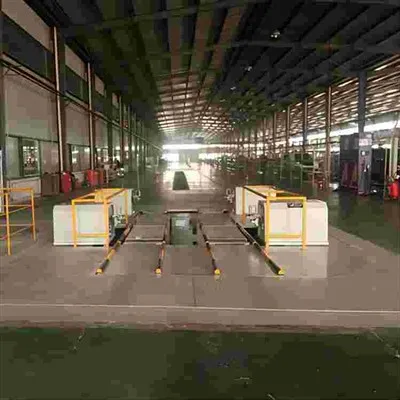
Chassis dynamometer synchronization belt how to check
Jan 13, 2024
1. Check frequency and timing
First, it is crucial to know when and how often you need to check the sync belt. In general, it is recommended to inspect the synchronization belt every three months, or after the chassis dynamometer has been in use for a certain number of hours. In addition, if there are abnormal sounds, vibrations or other problems during use, the synchronization belt needs to be checked immediately.
2. Power failure and safety
Before checking the synchronization belt, be sure to disconnect the power supply of the chassis dynamometer to ensure that the equipment is completely stopped to avoid accidents.
3. Visual inspection
Visual inspection by the naked eye is one of the most basic methods. Check the appearance of the synchronization belt, including whether there are cracks, fractures, wear, aging and other conditions. At the same time, it is also necessary to pay attention to the tightness of the synchronization belt and whether there is loosening. If the synchronization belt is found to be obviously damaged or loose, it should be replaced or adjusted in time.
4. Tension check
The proper tension of the synchronous belt is very important for normal transmission. The tension of the belt can be checked manually by tapping the central part of the belt with your finger to feel its elasticity and tightness. If the synchronous belt is too loose, it may lead to transmission instability; Too tight may increase the wear of the synchronization belt and transmission system. If the tensioning force is found to be inappropriate, it needs to be adjusted accordingly.
5. Check the temperature
In order to ensure that the synchronization belt can work properly, we need to check its temperature regularly. Because the synchronization belt will generate heat during the working process, too high a temperature will have a negative impact on it. To ensure that the belt does not exceed the maximum operating temperature specified by the manufacturer during operation, a thermometer can be used to measure its surface temperature. If the temperature of the synchronous belt is too high, the heat dissipation system of the chassis dynamometer should be checked for normal operation, and the heat dissipation device should be cleaned or replaced in time. In addition, it is also necessary to ensure that the working environment of the chassis dynamometer is well ventilated to avoid an overheated atmosphere that adversely affects the synchronization belt.
6. Professional tool testing
In addition to visual and manual inspection, professional tools can also be used to detect the status of the sync belt. For example, a timing belt tensiometer is used to measure whether the tension of the timing belt meets the requirements. According to the recommendations of the chassis dynamometer manufacturer, the appropriate tools are used for testing to ensure that the tension of the synchronous belt is within the normal range.
7. Replacement cycle
As a vulnerable part, the synchronous belt needs to be replaced regularly to ensure the normal operation of the chassis dynamometer and the accuracy of the test results. According to the material, quality and use of the synchronous belt, develop a reasonable replacement cycle. Generally speaking, the replacement cycle of the synchronization belt is 1-2 years. Of course, the specific replacement cycle also needs to be adjusted according to the actual use of the chassis dynamometer and the manufacturer's recommendations.
8. Be safe
When you check and replace a synchronization belt, ensure that you follow the safety regulations. Make sure the chassis dynamometer is powered off and the equipment is in a stable condition. If you are not familiar with the relevant operation, it is recommended to seek the help of professional technicians to ensure safety and correctness.