

What is the difference between ADAS and autonomous driving?
Jan 09, 2026
Hey there, automotive enthusiasts! As an ADAS supplier deeply entrenched in the automotive tech world, I've seen firsthand how terms like "ADAS" and "autonomous driving" are often thrown around, sometimes interchangeably. But here's the thing: they're not the same. In this post, I'm gonna break down the key differences between ADAS and autonomous driving to help you understand these game - changing technologies better.
Let's kick things off with ADAS. ADAS stands for Advanced Driver Assistance System. It's a set of technologies designed to assist drivers in the driving process. Think of it as your co - pilot, there to help you avoid accidents, make driving easier, and enhance overall safety on the road.
ADAS features come in all shapes and sizes. One of the most common ones is the Adaptive Cruise Control (ACC). This nifty little tech automatically adjusts your car's speed to maintain a safe distance from the vehicle in front of you. You set your desired speed, and the car does the rest, slowing down when traffic ahead slows and speeding back up when it's clear. It's like having a super - attentive friend sitting in the passenger seat, constantly watching the road for you.
Another great ADAS feature is the Lane Departure Warning (LDW). Have you ever been on a long drive and felt your mind start to wander? LDW is there to snap you back to reality. If your car starts to drift out of its lane without signaling, the system will give you a warning, usually through a visual or audible alert. Some advanced versions can even gently steer the car back into the lane, a feature known as Lane Keeping Assist (LKA).
Blind Spot Monitoring (BSM) is also a crucial part of ADAS. It's so hard to constantly check your blind spots, right? BSM sensors detect vehicles in your blind spots and let you know when it's not safe to change lanes. This can prevent a lot of potentially dangerous collisions, especially on busy highways.
Then we have the ADAS Advanced Driver Assistance which includes more high - tech features. For example, Automatic Emergency Braking (AEB) is a real lifesaver. It uses sensors to detect an impending collision and automatically applies the brakes if the driver doesn't react in time. This can significantly reduce the severity of accidents or even prevent them altogether.
Now, let's shift gears and talk about autonomous driving. Autonomous driving is a whole different ballgame. It refers to vehicles that can operate without human input for some or all aspects of the driving task. The Society of Automotive Engineers (SAE) has defined six levels of driving automation, from Level 0 (no automation) to Level 5 (full automation).
Level 0 is your traditional car, where the driver does everything. Level 1 includes basic ADAS features like ACC or LDW. These are systems that provide either steering or acceleration/deceleration support, but not both at the same time.
Level 2 is where things start to get a bit more interesting. At this level, the vehicle can control both steering and acceleration/deceleration simultaneously, but the driver must still be fully engaged and ready to take over at any time. Tesla's Autopilot is a well - known example of a Level 2 system. It can keep the car in its lane, adjust speed based on traffic, and even change lanes under certain conditions, but the driver needs to keep their hands on the wheel and eyes on the road.
Level 3 is the first step towards true autonomous driving. At this level, the vehicle can handle most driving tasks under specific conditions, such as on a highway. The driver doesn't need to constantly monitor the road but must be ready to take over when the system requests it. It's a tricky level because it requires a very clear hand - off process between the car and the driver.
Level 4 and 5 are full - scale autonomous driving. Level 4 vehicles can operate without human intervention within a defined area, like a city or a specific geographical zone. They don't need a driver at all in these areas. Level 5 is the holy grail of autonomous driving. These vehicles can drive anywhere, in any condition, just like a human driver, but without a human behind the wheel.
So, what are the main differences between ADAS and autonomous driving?
First off, control. ADAS is all about assisting the driver. The driver is still in charge of the vehicle, and the ADAS features are there to support them. Autonomous driving, on the other hand, can take over driving tasks from the human. In higher levels of autonomous driving, the human may not even need to be present in the vehicle.
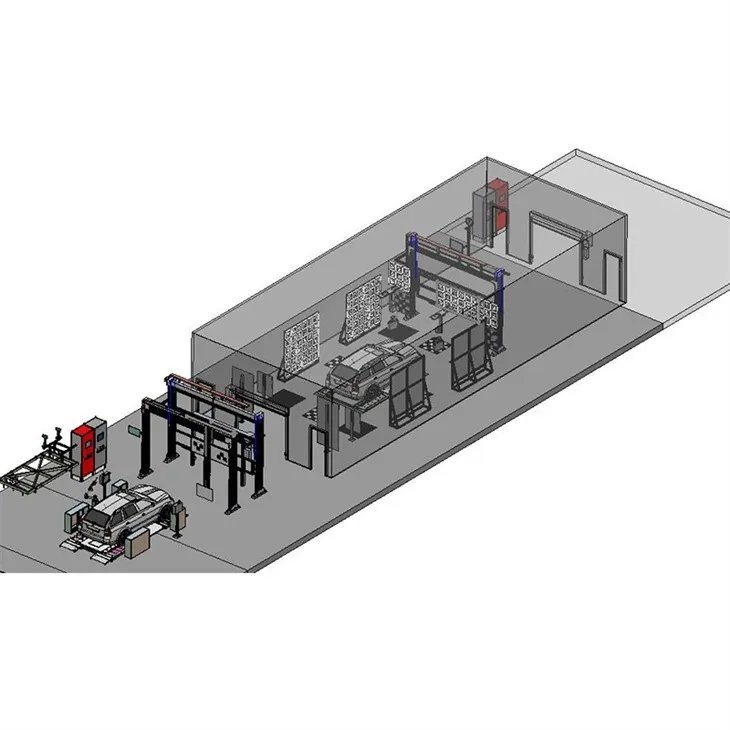

Secondly, complexity. ADAS systems are relatively less complex. They use a combination of sensors like cameras, radar, and ultrasonic sensors to perform specific tasks. Autonomous driving systems, especially at higher levels, require much more sophisticated technology. They need advanced sensors, powerful computing systems, and complex algorithms to process a vast amount of data in real - time. These systems need to understand the entire driving environment, including traffic rules, road conditions, and the behavior of other road users.
Another difference is the level of trust required. With ADAS, drivers can use the features as they see fit and still have full control. They can choose when to rely on the system and when to take over. In autonomous driving, especially at higher levels, the driver (or passenger) has to trust the system completely to make the right decisions. This is a major psychological hurdle for many people.
As an ADAS supplier, we're constantly working on improving our 360 Assisted Driving solutions. Our focus is on making driving safer and more comfortable for everyone. We integrate the latest sensor technologies and develop smart algorithms to ensure that our ADAS features work seamlessly and effectively.
Whether you're a car manufacturer looking to enhance your vehicle's safety features or a fleet operator aiming to reduce accident rates, our ADAS solutions can meet your needs. We offer a wide range of customizable options, so you can choose the features that are most relevant to your specific requirements.
If you're interested in learning more about our ADAS products and how they can benefit your business, I encourage you to reach out. We're always ready to have a chat about your needs and explore how our technologies can fit into your automotive projects.
In conclusion, while ADAS and autonomous driving are both paving the way for the future of transportation, they have distinct differences. ADAS is here now, making our current driving experience better and safer. Autonomous driving, on the other hand, is a long - term goal that promises to revolutionize the way we travel. As an ADAS supplier, I'm excited to be a part of this journey and look forward to seeing how these technologies evolve in the coming years.
References:
- Society of Automotive Engineers (SAE) standards for driving automation levels
- Industry reports on automotive technology advancements